Blog Grid

Fagonia cretica (Virgin’s Mantle): Dhamasa

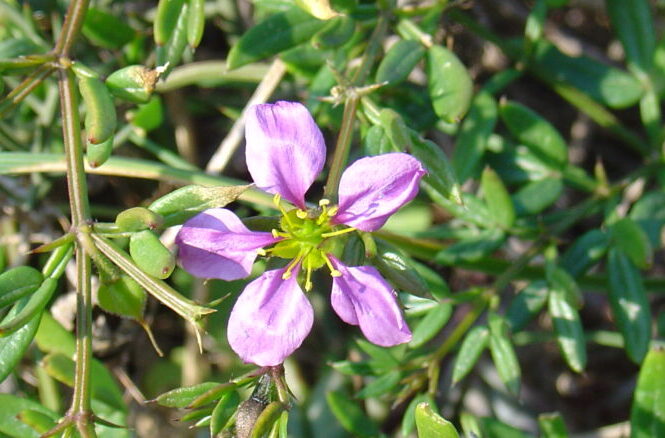
Complete Ayurvedic, Botanical & Research Review Fagonia cretica Linn., traditionally known in Ayurveda as Dhanvayasa or Duralabha, is a small desert shrub belonging to the family Zygophyllaceae (Gokshura Kula). It is described in Ayurvedic literature as a cooling, absorbent, and dosha-balancing herb used in conditions such as fever, burning sensation, cough, dyspnea, diarrhea, nausea, vomiting, mouth ulcers, urinary difficulty, and…
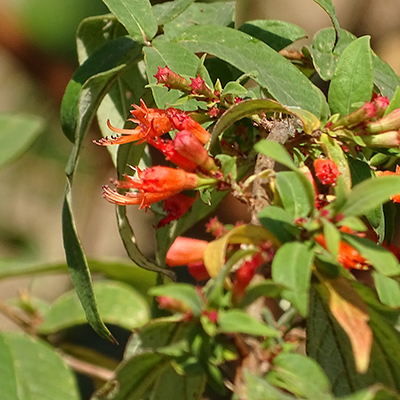
Dhataki (Woodfordia fruticosa) – Ayurvedic Review

Introduction Dhataki (Woodfordia fruticosa Kurz), a well-known medicinal shrub of Ayurveda, holds a unique place in classical pharmaceutics and therapeutics. It is widely recognized as the backbone herb of many Asava and Arishta preparations (self-generated alcoholic Ayurvedic formulations). Apart from its role as a natural fermenting agent (Sandhana dravya), Dhataki is valued for its astringent, antimicrobial,…

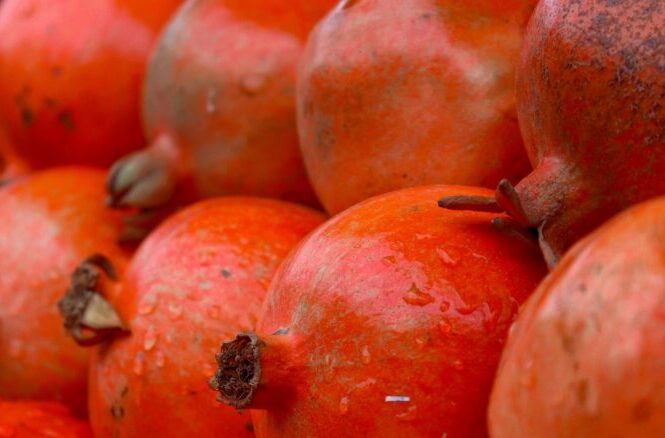
Pomegranate (Dadima) – Benefits, Uses, Remedies, Side Effects & Ayurvedic Perspective

Pomegranate, botanically known as Punica granatum, is one of the most nutrition-rich and therapeutically valuable fruits described in Ayurveda and supported by modern science. Revered for thousands of years, not only the fruit but also its rind (Phala Twak), flowers (Pushpa), stem bark and root bark (Kandamula Twak) are used in various health conditions. In…

Chitrak (Plumbago zeylanica): Complete Ayurvedic Guide — Uses, Benefits, Dose & Precautions

Botanical Name: Plumbago zeylanicaFamily: PlumbaginaceaeCommon names: Leadwort, Chitrak Chitrak is a classical Ayurvedic herb known for its potent deepana–pachana (digestive stimulant) action. Because of its heating energy and sharp quality, it can improve digestion, enhance metabolism, resolve chronic digestive accumulation (Ama), and help cleanse tissues. Ayurvedic Properties According to Ayurvedic classics: Rasa (Taste): Katu (Pungent) Guna (Qualities): Laghu (Light), Tikshna (Sharp)…

Sandalwood (Chandana) in Ayurveda

Benefits, Uses, Dosage, Side Effects & Clinical Applications Botanical Name: Santalum albumFamily: Santalaceae Sandalwood, known as Chandana in Ayurveda, is one of the most valued cooling herbs in classical Ayurvedic medicine. Beyond its divine fragrance and spiritual importance, sandalwood holds powerful medicinal properties—especially in managing Pitta-related disorders such as acidity, burning urination, skin inflammation, and stress headaches. At our…

Guggulu (Commiphora mukul): Benefits, Uses, Dosage, Safety & Research

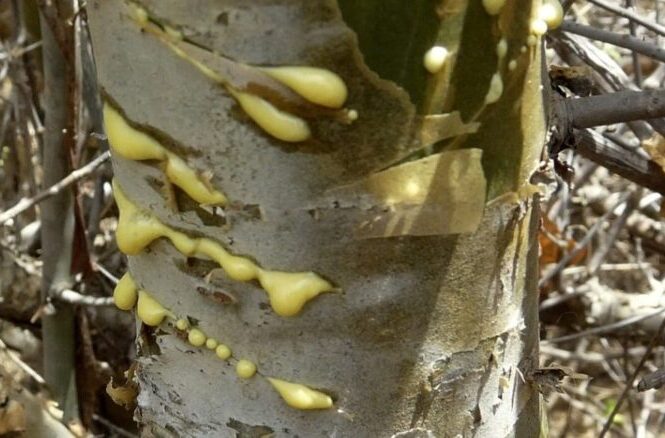
1️⃣ Botanical Identity Commiphora mukulFamily: Burseraceae Other botanical synonyms: Commiphora wightii Commiphora roxburghii Commiphora myrrha (sometimes used commercially) Common English name: Indian Bdellium Guggulu is an oleo-gum resin obtained from the bark of this thorny shrub native to arid regions of India. 2️⃣ Synonyms & Classical Names Devadhupa (used in sacred fumigation) Mahishaksha (resembles buffalo eye color) Palankasha…

Brahmi (Bacopa monnieri): Benefits, Dosage, Side Effects, and Research Insights

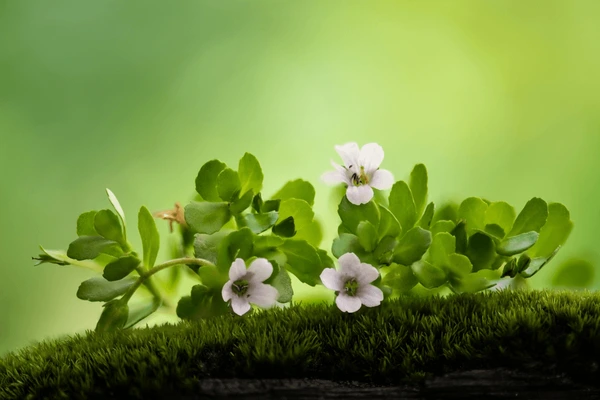
By Dr. Abhijeet Shirkande | Contact: 9975253664 Brahmi, scientifically known as Bacopa monnieri (Linn) Pennell (also Gratiola monniera L.), is a treasured herb of Ayurveda, widely recognized for its cognitive-enhancing properties. Belonging to the Scrophulariaceae family, it is commonly referred to as Thyme-leaved gratiola, Water hyssop, or Indian Pennywort. Traditionally, Brahmi has been used to improve intelligence, memory, and mental clarity,…

Bilva (Bael) – Scientific and Ayurvedic Insights on Uses, Remedies, and Research

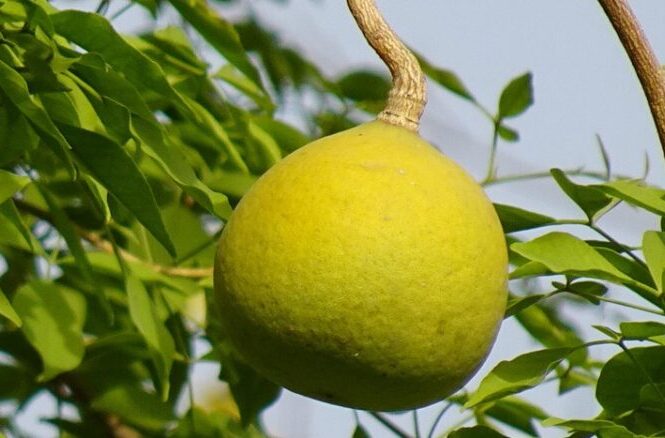
Introduction Bilva, commonly known as Bael (Aegle marmelos, family Rutaceae), is an ancient Ayurvedic tree with spiritual and medicinal significance. Revered as Shiva Druma, its leaves, fruits, roots, stems, and flowers have been used for centuries to support health. Bilva is a key member of the Dashamoola group, widely utilized in Ayurvedic formulations for systemic and localized benefits. Botanical Profile Botanical…

Bhumyamalaki: Phyllanthus niruri – Uses, Research, Remedies, Side Effects

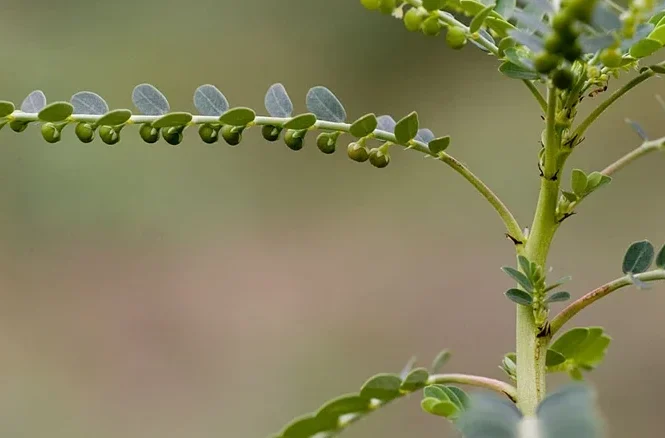
Introduction Phyllanthus niruri, commonly known as Bhumyamalaki or Bhui Amla, is one of the most respected liver-protective herbs in Ayurveda. It is widely used in the management of jaundice, hepatitis, fatty liver, splenomegaly, diabetes, urinary disorders, skin diseases, and inflammatory conditions. It is also an ingredient in classical Rasayana formulations such as Chyawanprash. Latin Name: Phyllanthus niruri Linn.,…

Vatsanabha (Aconitum ferox)

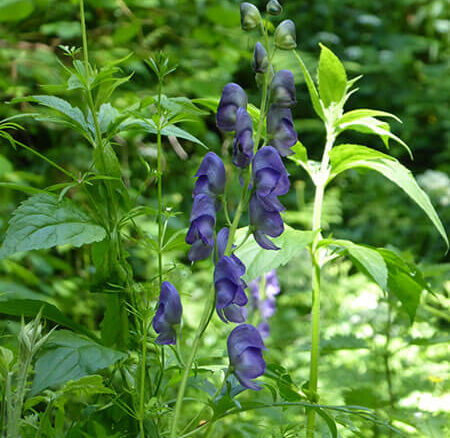
Toxicological Profile, Classical Processing & Therapeutic Relevance in Ayurveda Botanical Name: Aconitum feroxFamily: RanunculaceaeAyurvedic Classification: Sthavara Visha (Plant-derived poison) Vatsanabha occupies a distinctive and highly respected place in Ayurvedic toxicology and Rasashastra. It is classified among the most potent plant-origin poisons, yet when subjected to classical purification (Shodhana) and administered in carefully controlled micro-doses, it becomes a powerful…