
Blog Grid

Knee Pain Relief Made Simple: Easy Exercises and Yoga You Can Do at Home

Simple Exercises and Yoga for Knee Pain Relief   A Patient-Friendly Guide for Daily Practice Knee pain is a common problem, especially after the age of 40, in people with a sedentary lifestyle, or in conditions like arthritis. It can affect daily activities such as walking, climbing stairs, or even standing for long periods. The…


Ama: The Toxic Beginning of All Diseases

AMA  Introduction Ama is the product of decreased digestion, coupled with excess food intake. This results in the formation of complex in the gut, which acts as poison and produces many symptoms. Ama is one of the most discussed terms in Ayurveda. The term Amaya is a synonym of disease. It means ‘that which is…

Kegel Exercises for Sexual Health: Strengthening Intimacy from Within

Kegel Exercises for Sexual Health: Strengthening Intimacy from Within Dr Abhijeet Shirkande MD, PhD Introduction Sexual health is not determined only by hormones or psychological factors — muscle strength within the pelvic region plays a crucial and often overlooked role. The pelvic floor muscles directly influence: Arousal Erection quality Vaginal tone Orgasm intensity Ejaculatory control Overall sexual…

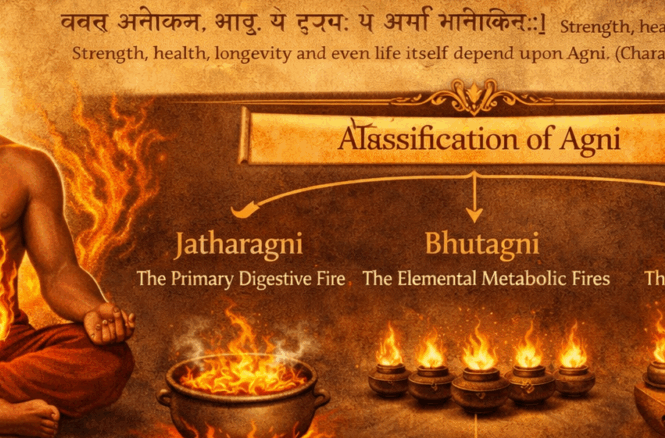
Agni in Ayurveda: Concept, Types, Functions and Clinical Significance

By Dr Abhijeet Shirkande, MD, PhD Introduction Ayurveda, the ancient system of medicine originating in India, emphasizes the importance of Agni (digestive and metabolic fire) in maintaining health and preventing disease. Among all physiological principles described in Ayurvedic texts, Agni occupies a central position because it governs digestion, metabolism, tissue formation, and the production of vitality within the…

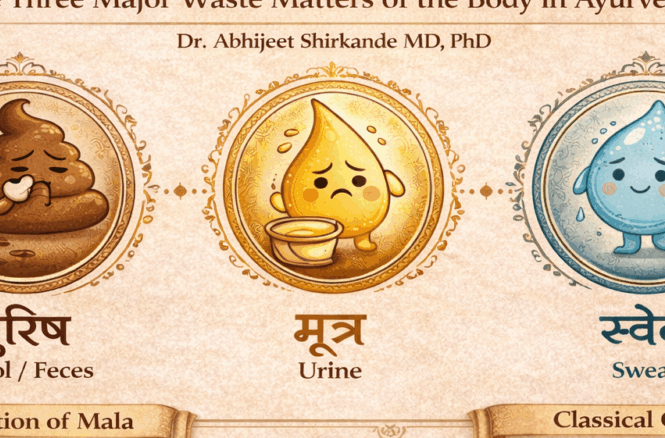
Tri-Malas in Ayurveda

Introduction   In Ayurvedic physiology, the human body is maintained by the harmonious balance of Dosha, Dhatu, and Mala. These three are considered the fundamental components responsible for maintaining the structure, function, and purification of the body. While Dhatus (tissues) build and nourish the body, Malas (waste products) are formed during digestion and metabolic activities and must be properly eliminated….

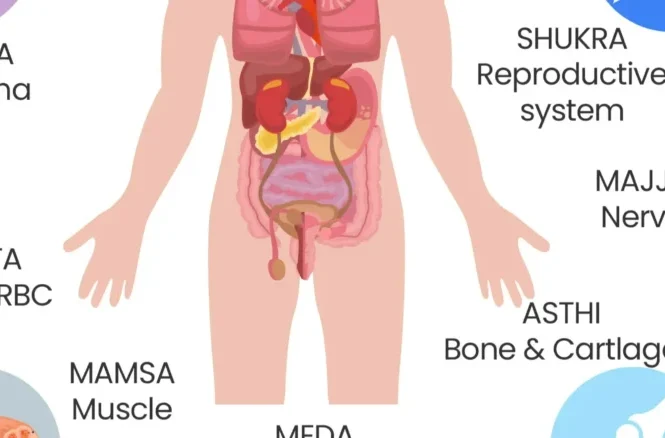
Sapta Dhatu in Ayurveda: Detailed Understanding of the Seven Body Tissues

Ayurveda explains the human body through three fundamental components: Dosha (functional energies), Dhatu (body tissues), and Mala (waste products). Among these, Dhatus form the structural and functional foundation of the body. They support growth, nourishment, strength, and the proper functioning of organs.   The classical Ayurvedic texts such as Charaka Samhita and Sushruta Samhita describe seven primary tissues called Sapta Dhatu. These tissues…

Primary Orthostatic Tremor (POT): An Integrative View through Neurology & Ayurveda

Primary Orthostatic Tremor (POT) is a rare, progressive neurological movement disorder characterized by a high-frequency (13–18 Hz) tremor occurring specifically while standing. Patients often describe it as “shaky legs syndrome” — a rapid internal trembling in the legs that causes severe unsteadiness and fear of falling. Unlike other tremors, it disappears while walking, sitting, or leaning, making it a unique…

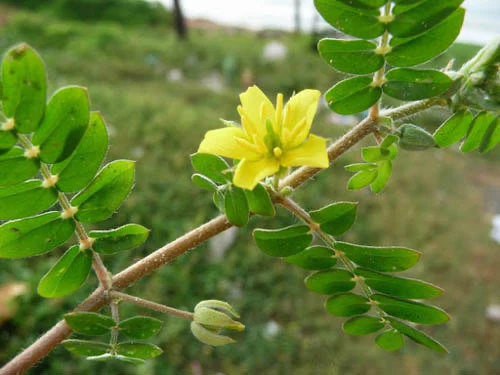
Gokshura

Botanical Profile Botanical Name: Tribulus terrestris Linn. Family: Zygophyllaceae English Name: Small Caltrops / Puncture Vine Sanskrit Name: Gokshura 1️⃣ Introduction Gokshura is one of the most important Mutrala (diuretic) and Vrishya (aphrodisiac) herbs described in Ayurveda. It is widely used in disorders of: Mutravaha Srotas (urinary system) Shukravaha Srotas (reproductive system) The name “Gokshura” refers to the shape of its fruit…

Giloy (Padma Guduchi) – Botanical Classification

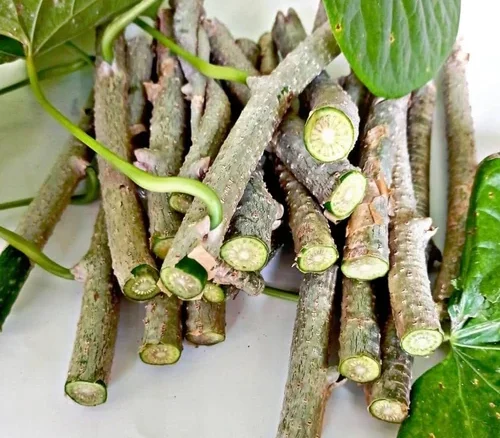
Guduchi, popularly known as Giloy, is one of the most revered medicinal plants in Ayurveda. It is often called “Amrita”, meaning nectar of immortality, because of its remarkable ability to enhance immunity, restore balance in the body, and promote longevity. For centuries, Guduchi has been used extensively in the management of fever, metabolic disorders, liver diseases, skin conditions,…

Eranda (Ricinus communis)

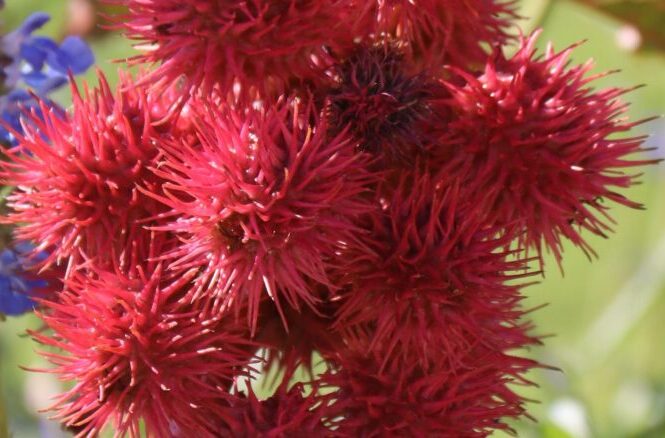
Toxic Effects, Purification, Properties and Therapeutic Uses Eranda (Castor) is one of the most widely used medicinal plants in Ayurveda. Its root, leaves, seeds, and oil are all therapeutically valuable and are used both internally and externally. Classical Ayurvedic texts describe Eranda as Vata-pacifying, pain-relieving, mildly aphrodisiac, and beneficial in neurological and musculoskeletal disorders. Botanical…