
Introduction
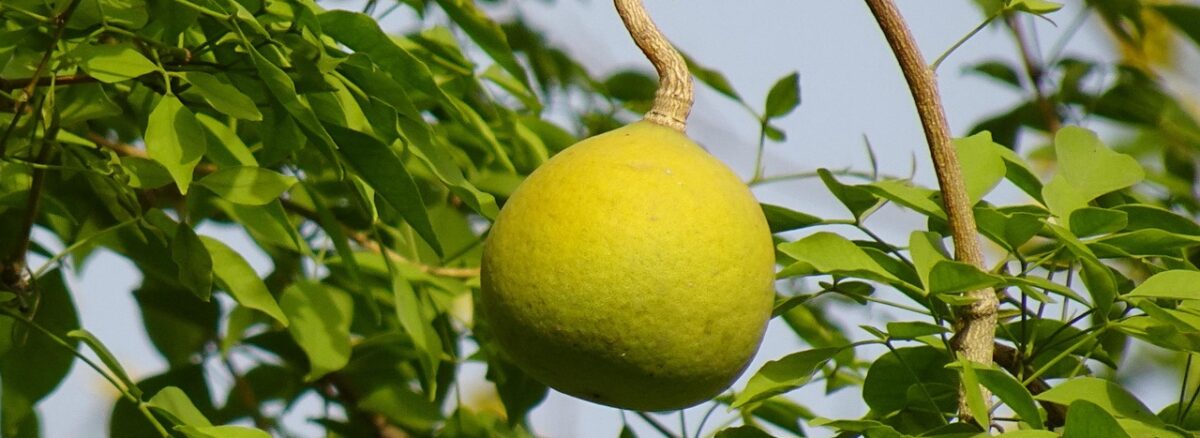
Bilva, commonly known as Bael (Aegle marmelos, family Rutaceae), is an ancient Ayurvedic tree with spiritual and medicinal significance. Revered as Shiva Druma, its leaves, fruits, roots, stems, and flowers have been used for centuries to support health. Bilva is a key member of the Dashamoola group, widely utilized in Ayurvedic formulations for systemic and localized benefits.
Botanical Profile
- Botanical Name: Aegle marmelos
- Family: Rutaceae
- Common Names: Bel (Hindi), Bael (English)
- Sanskrit Synonyms: Maaloora, Shandilya, Shailusha, Shriphala, Gandhapatra, Sadaaphala, Mahakapittha, Kantaki, Granthila, Atasara
- Maaloora – balances all types of mala doshas
- Shandilya – useful in curing multiple ailments
- Shailusha – typically grows in hilly areas
- Shriphala – aromatic fruit of Bilva
- Gandhapatra – aromatic leaves
- Sadaaphala – bears fruit throughout the year
- Mahakapittha – resembles large Kapitta fruit
- Kantaki – thorny tree
- Granthila – knotted stem
- Atasara – acts as a carminative
- Morphology:
- Root: Taproot, branched
- Stem: Woody, erect, cylindrical, branched
- Leaves: Palmately compound, trifoliate, petiolate, alternate, sessile
- Flowers: White, 5 petals, sweet-scented, bisexual
- Fruit: Berry, unripe to ripe stages
- Distribution: Widely throughout India
Ayurvedic Classification
Charaka Samhita:
- Anti-inflammatory (Shothahara)
- Useful in hemorrhoids (Arshoghna)
- Supports Basti therapy (Asthapanopaga)
- Source for medicated oils (Sthavara Sneha Yoni)
Sushruta Samhita:
- Included in Varunadi, Ambashtadi, Brihat Panchamoola, and Dashamoola
Phytoconstituents
Bilva contains bioactive compounds including:
- Marmelosin
- Tannic acid
- Fatty acids
- Essential oils
- Rutin
- Aegeline
- Marmesinin
These compounds contribute to digestive, anti-inflammatory, hepatoprotective, and metabolic benefits.
Parts Used and Dosage
| Part | Dose | Key Actions |
|---|---|---|
| Root (Mula) | 1–2 g powder | Balances Tridosha, antiemetic, light to digest |
| Leaves (Patra) | 10–20 ml juice | Absorbent, Vata-balancing, supports digestion |
| Unripe Fruit | 1–2 g powder | Carminative, absorbent, digestive stimulant |
| Ripe Fruit | As per preparation | Mild laxative, nutritive, useful in diarrhea |

Therapeutic Effects
Digestive System
- Unripe fruit: Carminative, absorbent, antihelminthic
- Ripe fruit: Mildly purgative, suitable for chronic diarrhea
- Leaf juice: Liver stimulant, enhances bile secretion
- Root bark: Useful in diarrhea, abdominal cramps, malabsorption
Circulatory System
- Styptic and anti-inflammatory effects
Respiratory System
- Leaf juice alleviates cough, rhinitis, sinus congestion
Excretory System
- Leaf juice supports urinary disorders
- Bark decoction with milk promotes renal health
Reproductive System
- Indicated for female reproductive inflammation, leukorrhea, and postpartum care
Nervous System
- Reduces hypersensitivity; topical application relieves pain
External Applications
- Leaf paste for eyes, chest, and flank pain (Parsvasula)
- Fruit oil improves skin complexion and relieves inflammation
Key Ayurvedic Preparations
- Dashamoola formulations: Potent anti-inflammatory
- Kutajavaleha & Brihat Gangadhara Churna: Anti-diarrheal
- Bilva Tail: Ear disorders
- Vilwadi Gulika: Fever and insect bites
- Astapatra Taila: Headache treatment
- Potential hypoglycemic effects, used in diabetes management
Dry vs Fresh Fruits
- Dry fruits are generally more potent for medicinal use
- Fresh fruits preferred for cooking and mild remedies
Safety and Interactions
- Safe with homeopathy and most dietary supplements
- With allopathic medicines, take modern medicine first, wait 30 min, then Ayurvedic remedy
- Overdose may cause mild constipation or digestive discomfort
- Fruit oil is for external use only
Systemic Benefits Summary
| System | Effect |
|---|---|
| Digestive | Carminative, absorbent, laxative, liver stimulant |
| Circulatory | Styptic, anti-inflammatory |
| Respiratory | Leaf juice – cough, sinus relief |
| Excretory | Urinary support |
| Reproductive | Female tract inflammation, postpartum care |
| Nervous | Reduces nerve hypersensitivity |
| External | Leaf paste for eyes, chest; fruit oil for skin |

Practical Usage Tips
- Diarrhea, constipation, IBS: Use unripe fruit, leaf juice, or root decoction
- Chest congestion and cold: Leaf paste or fruit oil externally
- Skin health: Apply fruit oil topically
- Diabetes management: Use bilva leaf decoction as adjunct therapy
- Pregnancy: Small amounts of leaf or fruit juice may help morning sickness (consult physician)
FAQs
Q: Is Bael addictive like senna?
A: No, it is non-addictive.
Q: Can it cause infertility?
A: No scientific evidence supports this.
Q: Can pregnant women consume Bilva juice?
A: Yes, in small amounts for 2–3 weeks under supervision.
Q: Can Bael fruit oil be consumed orally?
A: Traditionally, only topical use is recommended.
Conclusion
Bilva (Aegle marmelos) is a multifunctional Ayurvedic herb with systemic benefits spanning digestive, respiratory, circulatory, excretory, reproductive, and nervous systems. Supported by classical Ayurvedic texts and modern observations, it remains an effective and safe remedy when used correctly. Consultation with an Ayurvedic practitioner ensures optimal results.
Author: Dr. Abhijeet Shirkande
📞 99752 53664
References:
- Charaka Samhita, Sutrasthana 27
- Sushruta Samhita, Uttara Tantra 11/5
- Kayyadeva Nighantu, Oshadhi Varga 19
- Bhojana Kutuhalam, Chapter 14