
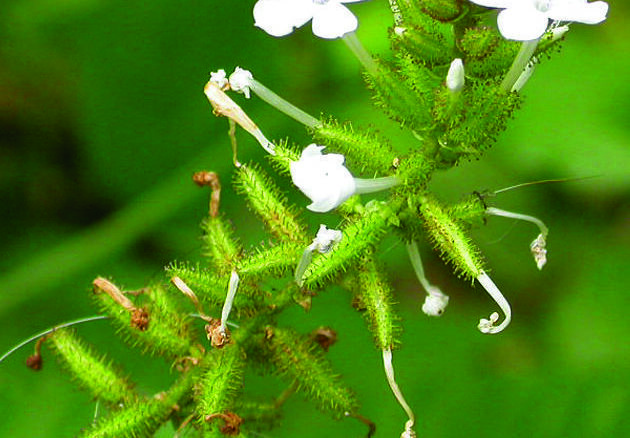
Botanical Name: Plumbago zeylanica
Family: Plumbaginaceae
Common names: Leadwort, Chitrak
Chitrak is a classical Ayurvedic herb known for its potent deepana–pachana (digestive stimulant) action. Because of its heating energy and sharp quality, it can improve digestion, enhance metabolism, resolve chronic digestive accumulation (Ama), and help cleanse tissues.
Ayurvedic Properties
According to Ayurvedic classics:
- Rasa (Taste): Katu (Pungent)
- Guna (Qualities): Laghu (Light), Tikshna (Sharp)
- Veerya (Potency): Ushna (Heating)
- Vipaka: Katu (Pungent after digestion)
- Dosha Effect: Balances Vata & Kapha
(Note: Strong heat can aggravate Pitta if misused)
Because of its sharp, light and heating qualities, Chitrak stimulates digestive fire (Agni), mobilizes stagnant metabolic waste (Ama), and helps clear metabolic toxins.
Types of Chitrak in Ayurveda
In Ayurveda, Chitrak is classified into different varieties based on flower color and botanical species. The therapeutic properties are similar, but potency may slightly vary.
1️⃣ White Chitrak
🌿 Plumbago zeylanica
Sanskrit: Shweta Chitraka
This is the most commonly used variety in Ayurveda.
Characteristics:
- White flowers
- Strong heating nature
- Root is primarily used
- Most widely available in classical formulations
Clinical Use:
- Indigestion
- Piles
- Obesity
- Metabolic disorders
- Skin diseases
This variety is considered standard for medicinal preparations.
2️⃣ Red Chitrak
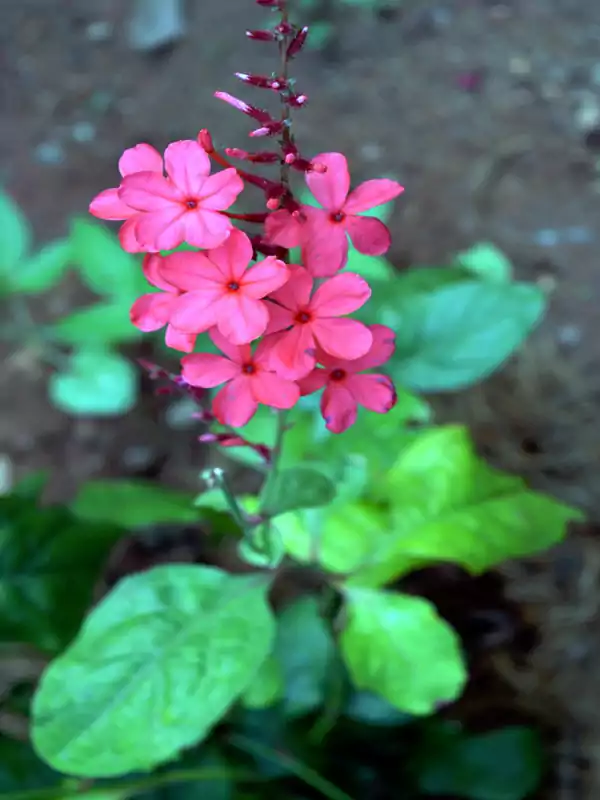
🌿 Plumbago indica
(Synonym: Plumbago rosea)
Sanskrit: Rakta Chitraka
Characteristics:
- Reddish flowers
- More potent and more heating than white variety
- Used cautiously
Clinical Use:
- Chronic metabolic disorders
- Strong digestive stimulation
- Certain skin disorders
⚠ Because it is more heating, it may aggravate Pitta if used improperly.
3️⃣ Blue Chitrak (Rarely Used)
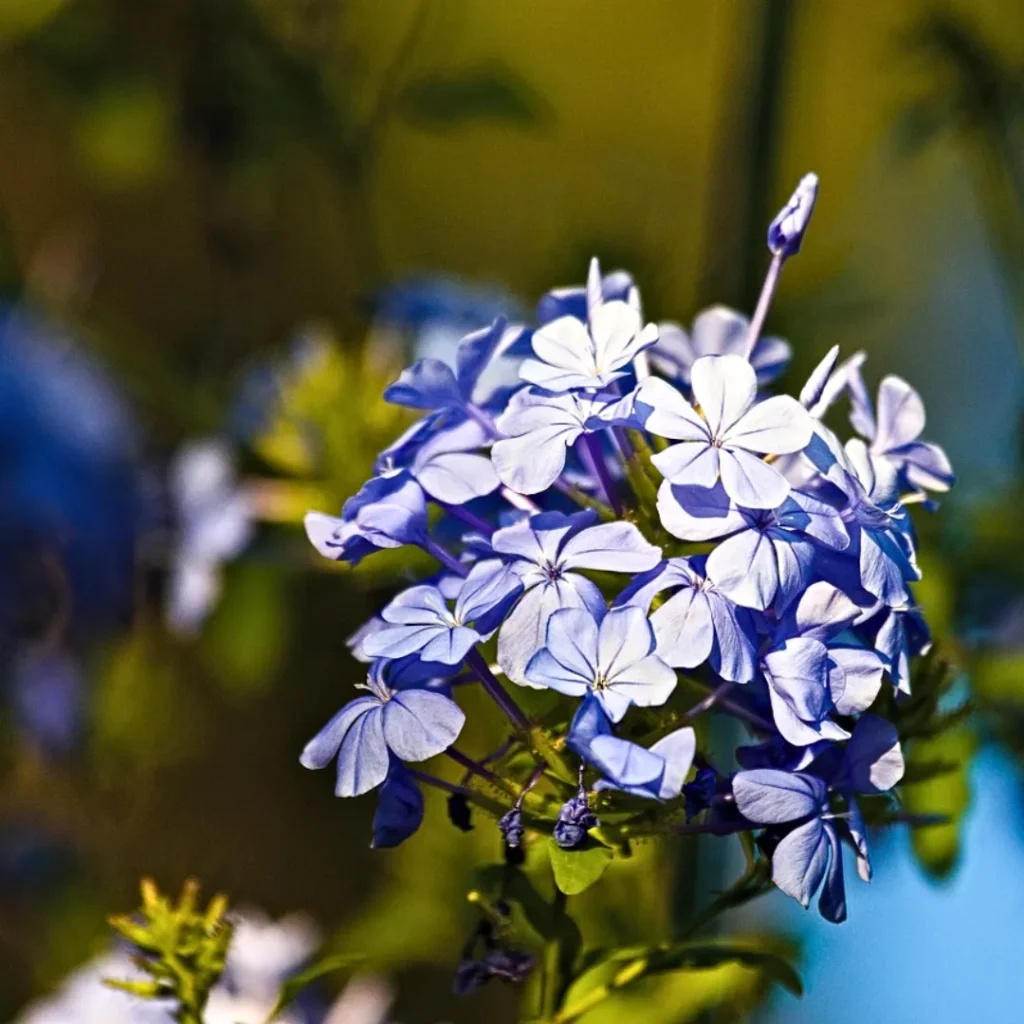
🌿 Plumbago auriculata
This variety is less commonly described in classical Ayurvedic texts and is not widely used medicinally in mainstream Ayurvedic practice.
Comparison of Chitrak Varieties
| Type | Botanical Name | Potency | Common Use |
|---|---|---|---|
| White Chitrak | Plumbago zeylanica | Moderate-Strong | Most commonly used medicinal variety |
| Red Chitrak | Plumbago indica | Very Strong | Used cautiously for powerful stimulation |
| Blue Chitrak | Plumbago auriculata | Mild | Rarely used therapeutically |
Parts Used & Preparation
The most therapeutically active part of the plant is the root, especially the root bark.
This is used in powdered form, decoctions, medicated oils, and herbal formulations.
Major Benefits & Therapeutic Actions
1. Improves Digestion & Appetite
Chitrak is one of the strongest herbs in Ayurveda for enhancing digestive fire.
It stimulates production of digestive enzymes, reduces indigestion, gas, and bloating.
2. Metabolism Booster
By increasing digestive fire, it helps improve metabolism and nutrient assimilation.
3. Piles & Anal Disorders
Used traditionally for piles (Arsha).
Its scraping (lekhana) quality helps break down hardened tissues and reduce swelling.
4. Clears Toxins from Tissues
Useful for deep-seated metabolic waste and chronic tissue stagnation especially when combined with other cleansing herbs.
5. Skin Disorders & Wounds
Due to its cleansing and tissue-supporting properties, it supports management of non-healing wounds and chronic skin lesions when used externally in proper formulations.
6. Respiratory Support
May assist cough and congestion when underlying digestive imbalance contributes to mucus accumulation.
7. Intestinal Parasites
Traditional use includes helping expel intestinal worms when combined with supportive herbs.
Classical Ayurvedic Uses
Ayurveda describes Chitrak as beneficial in:
- Agnodgara (poor digestion)
- Udararoga (abdominal disorders)
- Arsha (piles)
- Kustha (skin disorders)
- Krimi (worms/parasites)
- Shotha (inflammation / swelling)
How to Take Chitrak
Internal Use
- Powder (churna): 1–2 grams per day, divided in two doses before meals
- Decoction (kashaya): root boiled in water and reduced to concentrate
Note: Dose varies with individual digestive strength and severity of imbalance.
How to Prepare Chitrak Decoction
- Take Chitrak root (powdered)
- Add 4–8 parts of water
- Boil until water reduces to one-fourth
- Strain and drink warm
This concentrated herbal tea helps stimulate digestion and metabolic fire.
Traditional Remedies with Chitrak
1. For Chronic Indigestion
Combine Chitrak root powder with warm buttermilk or Triphala decoction to stimulate appetite and digestion.
2. For Piles
Topical application of medicated ghee or paste mixed with Chitrak can relieve swelling and discomfort.
3. For Non-healing Ulcers
Wash wounds with a dilute decoction of Chitrak and neem water for cleansing and healing support.
4. For Worms
When combined with other digestive herbs, Chitrak supports removal of intestinal parasites.
Modern Herbal Insights
Research shows Chitrak contains bioactive components with:
- Antioxidant properties
- Anti-inflammatory effects
- Antimicrobial activity
These support many of its traditional digestive and cleansing uses.
Precautions & Side Effects
General Cautions
- Because it is strongly heating, avoid use in:
- Active peptic ulcers
- Severe gastritis
- High Pitta imbalance
- Pregnancy: Not recommended
- High doses may lead to:
- Burning sensation in stomach
- Mild irritation
- Sensitivity in mucous membranes
Who Should Use With Caution
- People with high Pitta constitution
- Active ulcerative conditions
- Severe inflammatory bowel conditions
Drug & Supplement Interactions
- Can be used with homeopathic medicine
- If taken with allopathic medicine, maintain at least 30 minutes gap
- If on blood thinners, digestive drugs, or long-term medication, consult your doctor
Classical Ayurvedic Formulations with Chitrak
Chitrak is a key ingredient in many classical formulations:
- Chitrakadi Vati – Digestive tonic
- Chitrakadi Kashaya – Strong digestive decoction
- Chitrak Haritaki – Digestive & metabolism support
- Chitrakadi Ghrita – Medicated ghee for tissue cleansing
- Kalyanagulam / Panchakola – Metabolic support formulas
Flavor & Energetics
Due to its strongly pungent taste and heating nature, Chitrak is best used in:
✔ Digestive weakness
✔ Poor appetite
✔ Metabolic stagnation
It is less suited when there is heat inflammation unless balanced with cooling herbs.
Clinical Tips from Ayurved Practitioners
✔ Best taken before meals to stimulate digestive fire
✔ Always combine with supporting herbs to reduce potential irritation
✔ Personalized doses improve safety and outcomes
✔ External use must be mild — never apply raw powder directly on open wounds
Dr Abhijeet Shirkande MD, PhD
9975253664
