
Toxicological Profile, Classical Processing & Therapeutic Relevance in Ayurveda
Botanical Name: Aconitum ferox
Family: Ranunculaceae
Ayurvedic Classification: Sthavara Visha (Plant-derived poison)
Vatsanabha occupies a distinctive and highly respected place in Ayurvedic toxicology and Rasashastra. It is classified among the most potent plant-origin poisons, yet when subjected to classical purification (Shodhana) and administered in carefully controlled micro-doses, it becomes a powerful therapeutic agent. This dual identity reflects the depth of Ayurvedic pharmaceutical science, where preparation and dose determine therapeutic value.
Classical Documentation
Vatsanabha is described extensively in classical Rasashastra texts such as:
- Rasa Ratna Samuccaya
- Rasatarangini
A classical verse highlights its transformative potential:
वत्सनाभो वत्सनागः क्ष्वेडोऽस्त्रीच विषं मतम् ।
अमृतं च तदेवोक्तं रसतन्त्रविशारदैः ॥
This verse emphasizes that Vatsanabha is considered poison in its unprocessed state but becomes nectar when skillfully purified by experts in Rasatantra.
Botanical Profile and Habitat
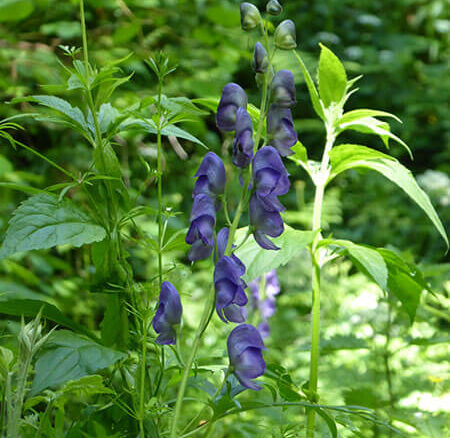
Vatsanabha is a high-altitude Himalayan herb found predominantly in Nepal and Sikkim. It thrives in cold alpine climates above 5000 feet.
Morphological Characteristics:
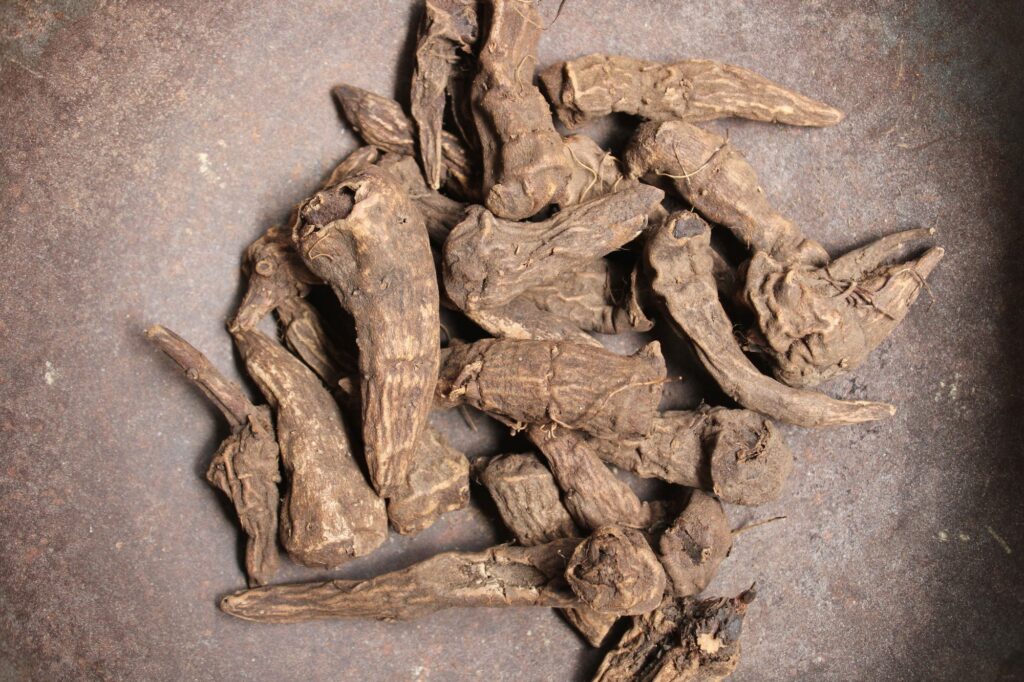
- Tuberous, conical root
- Dark brown to black external surface
- Whitish internal tissue
- Upper portion thicker, gradually tapering downward
- Sparse vegetation observed around the plant (classical observation)
Phytochemical Profile
The biological activity and toxicity of Vatsanabha are attributed to potent diterpenoid alkaloids including:
- Pseudoaconitine
- Aconitine
- Bikhaconitine
- Chasmaconitine
Aconitine is particularly significant. It acts on voltage-gated sodium channels, causing persistent depolarization of excitable tissues such as nerves and myocardium. This explains its profound neurological and cardiotoxic effects.
Even extremely small quantities can produce significant physiological changes.
Toxicological Considerations
In its raw state, Vatsanabha is highly toxic.
Approximate Toxic Dose:
- Around 1 gram of crude root may be fatal
- A few milligrams of isolated alkaloid can cause severe poisoning
Clinical Manifestations of Toxicity:
- Perioral tingling and numbness
- Intense burning sensation
- Hypersalivation
- Nausea and vomiting
- Hypotension
- Cardiac arrhythmias
- Respiratory depression
- Collapse and potential death
Classical Ayurvedic descriptions detail progressive stages of toxicity, ultimately leading to unconsciousness and fatality if untreated.
Shodhana: The Mandatory Detoxification Process
Ayurveda strictly prohibits the therapeutic use of unprocessed Vatsanabha. Shodhana (purification) is an essential prerequisite.
A classical warning states:
अविशुद्धं विषं दाहं मोहं हृद्गतिरोधकम् ।
मृत्युञ्च विदधात्याशु तस्मात्तं परिशोधयेत् ॥
The objectives of Shodhana include:
- Reduction of toxic alkaloid concentration
- Chemical transformation into less harmful derivatives
- Enhancement of therapeutic safety margin
This process represents a structured pharmaceutical transformation rather than superficial cleansing.
Classical Methods of Purification
1️⃣ Gomutra Shodhana
The root is cut into small pieces and soaked in cow urine for three days with daily replacement. It is subsequently washed and dried.
2️⃣ Dugdha Swedana
The drug is tied in cloth and boiled in cow’s or goat’s milk for a specified duration.
3️⃣ Triphala Kashaya Swedana
Boiling in Triphala decoction is another classical detoxification method.
Modern analytical studies indicate significant reduction in aconitine levels following these procedures.
Pharmacodynamic Attributes After Purification
Following proper Shodhana, Vatsanabha exhibits:
- Rasa: Tikta, Katu
- Guna: Laghu, Ruksha
- Veerya: Ushna
- Vipaka: Katu
- Dosha Action: Predominantly Vata-Kapha Shamana
- Special Property: Yogavahi (enhances efficacy of co-administered drugs)
Its Ushna Veerya makes it particularly useful in conditions associated with coldness, stiffness, Ama accumulation, and obstructive pathology.
Therapeutic Applications
In precisely calculated micro-doses (approximately 60–125 mg after purification), Vatsanabha is indicated in:
- Amavata
- Vatarakta
- Shwasa
- Kasa
- Chronic Jwara
- Gulma
- Grahani
- Sciatica and neuralgia
- Severe musculoskeletal pain
It exhibits dose-dependent biphasic action — stimulatory in minimal doses and depressant in higher doses — necessitating strict professional supervision.
Classical Formulations Incorporating Vatsanabha
Vatsanabha is included in important Ayurvedic formulations such as:
- Tribhuvan Kirti Ras
- Sanjivani Vati
- Mrityunjaya Rasa
Within these formulations, it functions synergistically and enhances overall therapeutic potency.
Contraindications and Clinical Precautions
Vatsanabha should be avoided in:
- Pregnancy and lactation
- Pediatric patients
- Cardiac disease
- High Pitta constitution
- Severe debility
Its administration must always be conducted under expert Ayurvedic supervision.
Contemporary Scientific Perspective
Modern pharmacology recognizes the analgesic and anti-inflammatory potential of aconitine derivatives, though toxicity limits conventional use. Ayurveda, through purification and precise dosing protocols, provides a structured framework for mitigating risk while harnessing therapeutic potential.
Vatsanabha reinforces a fundamental Ayurvedic principle:
The difference between poison and medicine lies in preparation, dosage, and clinical wisdom.
Dr Abhijeet Shirkande M.D., Ph.D.
Shirkande Ayurved Clinic
