
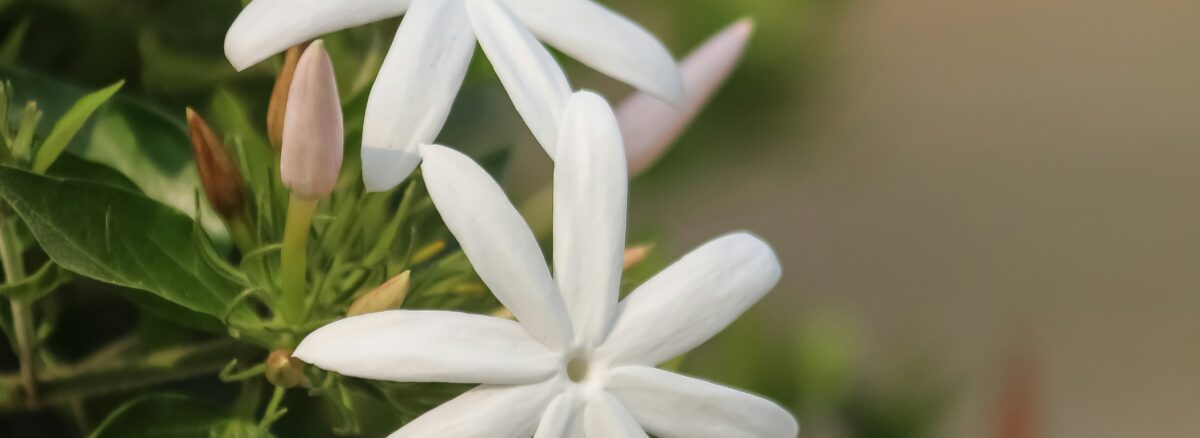
Botanical Name: Jasminum grandiflorum
Family: Oleaceae
Common Name: Chameli / Common Jasmine
Jasmine, known as Jati in Ayurveda, is more than a fragrant ornamental plant. Classical Ayurvedic texts describe it as a versatile medicinal herb used externally and internally for skin disorders, wounds, oral diseases, eye conditions, headaches, and reproductive health. Modern research has also explored its antimicrobial and antifungal potential.
This article presents a structured, evidence-oriented and classical Ayurvedic overview of Jasmine.
🌍 Vernacular Identity
Jasmine is culturally and medicinally significant across India and Asia.
- Hindi – Chameli
- English – Common / Spanish Jasmine
- Tamil – Malligai
- Kannada – Mallige
- Telugu – Jai Puvvu
- Arabic – Yasmin
- Bengali – Chameli
- Gujarati – Chabeli
📜 Classical Ayurvedic Perspective
In Ayurvedic literature, Jati is categorized under:
- Kushtaghna group (herbs beneficial in skin diseases)
- Pushpa Varga (flower group classification)
- Referenced in major Nighantus including Bhavaprakasha and Dhanvantari Nighantu
This classification highlights its traditional role in managing dermatological and inflammatory disorders.
🌱 Botanical Description
Jasmine is a small evergreen shrub cultivated throughout India, especially in moderate climates.
- Leaves: Dark green, opposite arrangement
- Flowers: White, intensely aromatic
- Blooming season: Primarily monsoon
- Parts used medicinally: Leaf, flower, and root
⚖️ Ayurvedic Pharmacological Profile
- Rasa (Taste): Bitter (Tikta), Astringent (Kashaya)
- Guna (Quality): Light (Laghu), Slightly unctuous (Snigdha)
- Veerya (Potency): Hot (Ushna)
- Vipaka (Post-digestive effect): Pungent (Katu)
- Dosha Action: Balances Vata, Pitta, and Kapha when used appropriately
🧪 Phytochemistry
Jasmine contains bioactive compounds such as:
- Salicylic acid
- Jasminine alkaloids
- Anthranilic acid derivatives
- Benzyl acetate
- Linalool
- Methyl jasmonate
- Ascorbic acid
These constituents contribute to its antimicrobial, anti-inflammatory, wound-healing, and aromatic effects.
🌿 Therapeutic Applications in Ayurveda
1️⃣ Skin & Wound Care
- Leaf paste applied over itching, scabies, or inflamed skin
- Medicated oil prepared from leaves promotes wound healing
- Root-based preparations traditionally used for complexion enhancement
2️⃣ Oral & Dental Care
- Tender leaves chewed for mouth ulcers and weak gums
- Leaf decoction used as gargle in gingivitis
3️⃣ Eye Health
- Freshly prepared flower extract used traditionally in mild conjunctival irritation
4️⃣ Headache & Neurological Support
- Root paste applied over forehead
- Medicated oil used in vertigo and certain neurological conditions
5️⃣ Ear Disorders
- Leaf oil instillation in cases of ear pain and discharge (under supervision)
6️⃣ Urinary & Reproductive Health
- Root-based preparations for dysmenorrhea
- Traditionally described as aphrodisiac
- Mild diuretic action in urinary discomfort
🏡 Traditional Home Practices
✔ Chewing 4–5 fresh leaves for recurrent mouth ulcers
✔ Leaf decoction for cleansing wounds
✔ Jasmine oil prepared in sesame or coconut oil for chronic skin conditions
✔ Flower garland application traditionally used to reduce lactation (folk practice)
⚠ Always use under qualified guidance.
💊 Important Ayurvedic Formulations Containing Jati
- Jatyadi Ghrita – External wound healing
- Jatyadi Taila – Chronic ulcers
- Malatyadi Taila – Hair and scalp disorders
- Paranthyadi Taila – Skin diseases
- Vasant Kusumakar Rasa – Metabolic disorders
🔬 Research Overview
Antibacterial Activity
Laboratory studies show inhibitory effects against certain pathogenic bacteria including species of Staphylococcus and Salmonella.
Antifungal Activity
Extracts of Jasminum sambac demonstrate activity against fungi such as Malassezia, associated with dandruff.
While promising, further clinical trials are required for definitive therapeutic conclusions.
⚠️ Safety & Precautions
- Generally considered safe in traditional doses
- Rare allergic reactions to fragrance possible
- Consult physician when combining with modern medicines
- Maintain 30-minute gap between allopathic and Ayurvedic medicines if advised together
🌸 Aromatherapy & Cultural Relevance
Jasmine is considered sacred in Indian culture and widely used in rituals. Its essential oil is popular in aromatherapy for:
- Mental relaxation
- Stress relief
- Emotional balance
🌿 Conclusion
Jasmine (Jati / Chameli) represents a unique combination of aesthetic beauty and therapeutic potential. Rooted in classical Ayurvedic literature and supported by emerging scientific research, it remains a valuable herb in dermatology, wound care, oral health, and holistic wellness.
However, proper diagnosis and supervised use are essential to ensure safe and effective results.
Dr. Abhijeet Shirkande, MD (Ayu), PhD
Shirkande Ayurved Clinic
